
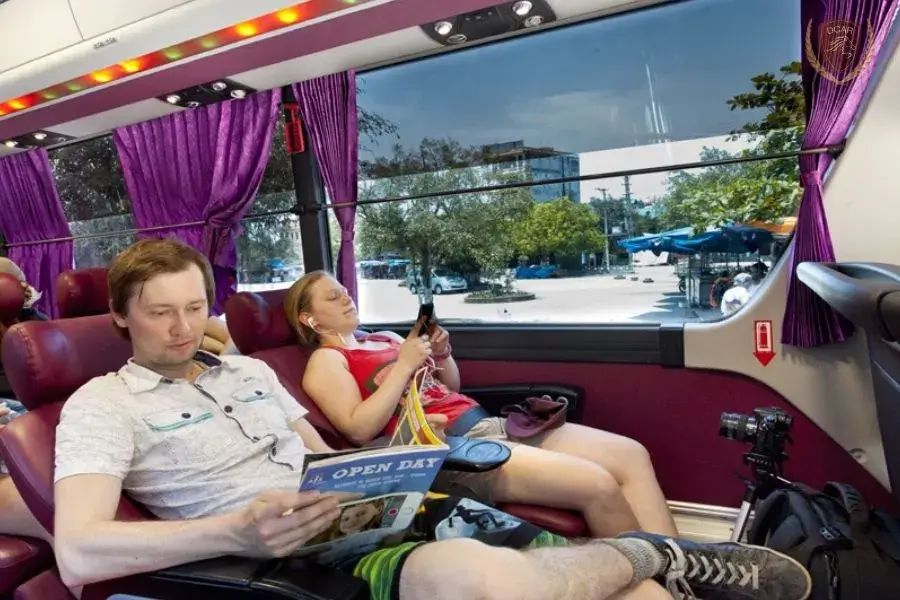
Introduction
The journey from the chaotic, historic streets of Hanoi to the misty, terraced mountains of Sapa is one of Vietnam’s most iconic routes. But here is the first thing you need to know as a traveler: there is no single “perfect” transit option. The best way to travel from Hanoi to Sapa depends entirely on your personal travel style.
Whether you are a family needing seamless door-to-door comfort, a backpacker looking to save on a night’s accommodation, or a couple seeking a romantic, nostalgic rail journey, each option has major trade-offs.
Our local-led guide cuts through the marketing fluff of booking agencies. We break down real travel times, actual costs, safety concerns, and the logistical realities of the route, including the winding mountain passes, so you can start your Sapa adventure smoothly.
Sapa Transit Realities
Before you book any tickets, you must understand two structural facts about Sapa’s infrastructure that catch many first-time visitors off guard:
- Sapa does not have a train station. If you choose to travel by rail, your train will terminate at Lao Cai Railway Station, which is located on the Chinese border about 35 kilometers (22 miles) from Sapa town. From Lao Cai, you must coordinate a secondary transfer, such as a taxi, shuttle bus, or private car, to climb the remaining mountain road.
- Sapa does not have an airport. While there has been talk of building an airport in Lao Cai province, there are currently no commercial flights to Sapa. Every single traveler starting in Hanoi will complete at least the final leg of their journey on the road.
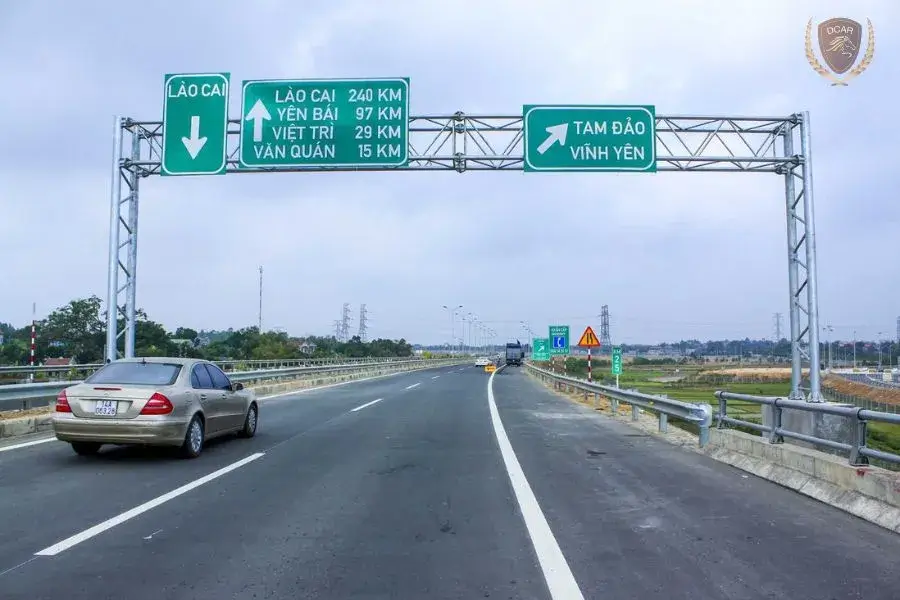
Fortunately, the completion of the modern Noi Bai–Lao Cai Expressway has cut historical road travel times in half.
Furthermore, the opening of the Mong Sen Bridge, the highest elevated viaduct bridge in Vietnam at 83 meters tall, has bypassed some of the most dangerous, landslide-prone hairpins on the old QL4D mountain pass. This makes road travel significantly safer and smoother than it was just a few years ago.
Hanoi to Sapa Transport at a Glance
If you are in a hurry, here is a realistic, side-by-side comparison of your primary Hanoi to Sapa transport options:
| Transport Type | Real Travel Time | Price Range (USD) | Comfort Level | Direct to Sapa? | Best For |
| Limousine Van | 5.5 to 6.5 hours | $16 – $22 | ★★★★☆ | Yes (Direct) | Flashpackers, solo travelers, and couples |
| Sleeper Bus | 6 to 7 hours | $10 – $14 | ★★☆☆☆ | Yes (Direct) | Budget backpackers |
| VIP Cabin Bus | 6 to 7 hours | $17 – $28 | ★★★★☆ | Yes (Direct) | Couples and comfort-focused solo travelers |
| Overnight Train | 8 to 9 hours | $39 – $55+ | ★★★★☆ | No (Stops at Lao Cai) | Slow travelers and light sleepers |
| Private Car | 5.5 to 6 hours | $120 – $180+ | ★★★★★ | Yes (Direct) | Families, groups, and heavy packers |
Option 1: The Limousine Van
For the vast majority of independent travelers, a shared luxury limousine van is the most efficient and painless way to get to Sapa.
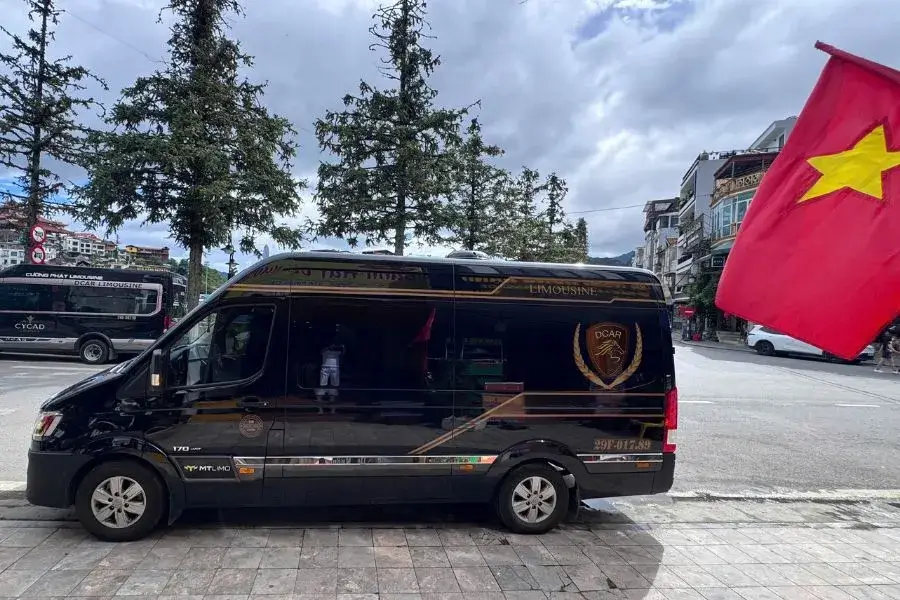
These are not the cramped, dusty public minivans of the past. In Vietnam, “limousine” refers to transit vans (typically Ford Transits or Hyundai Solatis) that have been customized by luxury coachbuilders like DCar. The interior is refitted with plush, oversized leather seats, wood-paneled accents, and modern amenities.
The Insider Seat-Selection Trap
A standard DCar limousine has 9 passenger seats, but not all seats are created equal.
- The Sweet Spot: The 4 captain’s chairs in Rows 2 and 3 are highly adjustable, feature individual armrests, and recline up to 150 degrees.
- The Consolation Prize: The front row next to the driver consists of two narrower seats that do not recline fully.
- The Back Row: The back row is a contiguous 3-passenger bench. While comfortable, it cannot recline as far because of the luggage space directly behind it.
Local Tip: When booking through operators like EcoSapa, Amazing Limit, or Solati Limousine, ask if you can pay a tiny premium ($2–$3 USD extra) to pre-book the middle captain’s chairs. It is entirely worth it.

Pros & Cons of the Limousine Van
- Pros: Direct door-to-door service (most operators offer hotel pickup in Hanoi’s Old Quarter and drop-off at your Sapa hotel); no vehicle changes; fast travel times utilizing the express highway.
- Cons: Strict luggage allowance (usually limited to one standard suitcase of 20kg and a small carry-on due to compact rear trunks); fixed departure schedules; shared cabin with up to 8 other passengers.
If you are trying to decide between the iron rails and the open highway, our deep dive into the pros and cons of train vs limousine Vietnam provides a detailed side-by-side breakdown of comfort levels.
Moreover, check out our private Hanoi to Sapa Limousine service or other Hanoi limousine options, such as Hanoi to Pu Luong by luxury car, Hanoi to Tam Dao luxury car, etc.
Option 2: Sleeper & VIP Cabin Buses
Buses are the lifeblood of Sapa transit. They run almost hourly, day and night. However, the bus experience varies wildly depending on whether you choose a standard sleeper or a VIP cabin bus.
Standard Sleeper Buses
The classic Hanoi to Sapa sleeper bus features a triple-aisle, double-decker configuration of narrow, metal-framed bunk beds.
- What to expect: You will be asked to take your shoes off at the door and place them in a plastic bag. The “beds” are permanently reclined at an angle. If you are taller than 1.8 meters (5’11”), your feet will press against the plastic footbox at the end of the berth.
- Cost: Very cheap ($10 to $14 USD).
- The Reality: It can feel cramped, and some drivers use their horns aggressively. It is highly social but offers very little privacy.
VIP Cabin Buses
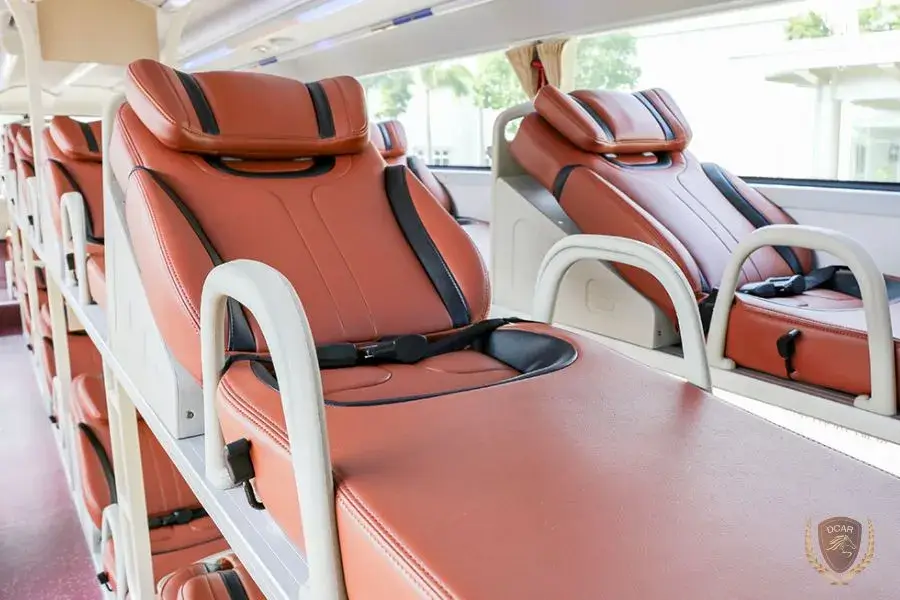
If you love the price of the bus but hate the idea of sleeping next to a stranger, the Hanoi to Sapa VIP limousine bus (or VIP Cabin Bus) is an exceptional upgrade.
Operators like G8 Open Tour and Sao Viet run premium double-decker cabin buses. Instead of open bunks, the bus is divided into 20 to 22 individual, enclosed compartments.
Inside your private cabin, you will find:
- A thick mattress with electric incline adjustments.
- Built-in back massage vibrations (available on premium G8 cabins).
- Privacy curtains that isolate you completely from the central aisle.
- A private LCD screen with entertainment, USB charging ports, and reading lights.
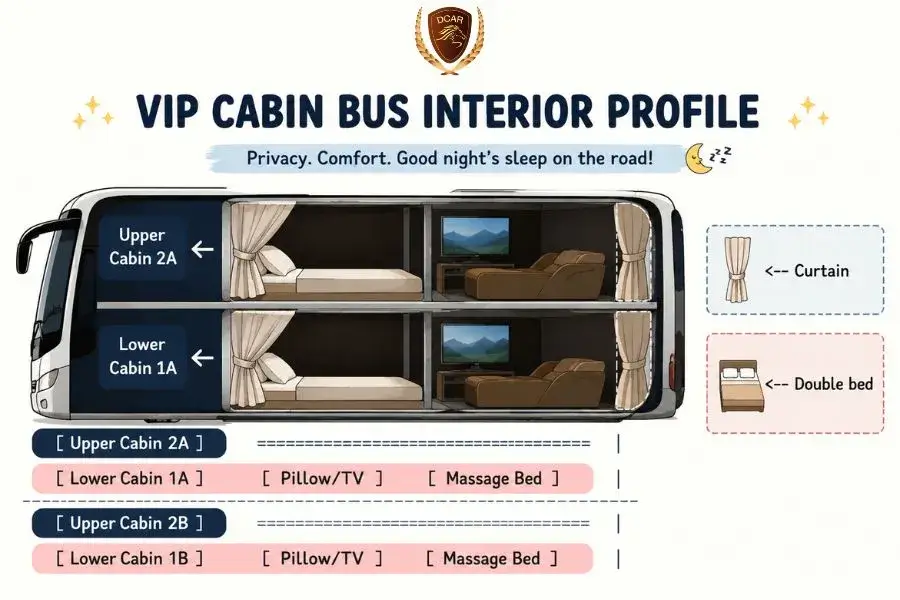
The Upper vs. Lower Cabin Dilemma
- Lower Cabins (Deck 1): These feel more stable because they are closer to the chassis, meaning you will experience less “sway” on the winding mountain roads. Additionally, lower cabins are wider and can technically accommodate an adult and a small child (often sold as “double cabins”).
- Upper Cabins (Deck 2): These offer slightly more headroom and feel less claustrophobic, but you will feel the sway of the vehicle much more intensely as the bus climbs toward Sapa.
Option 3: Private Car
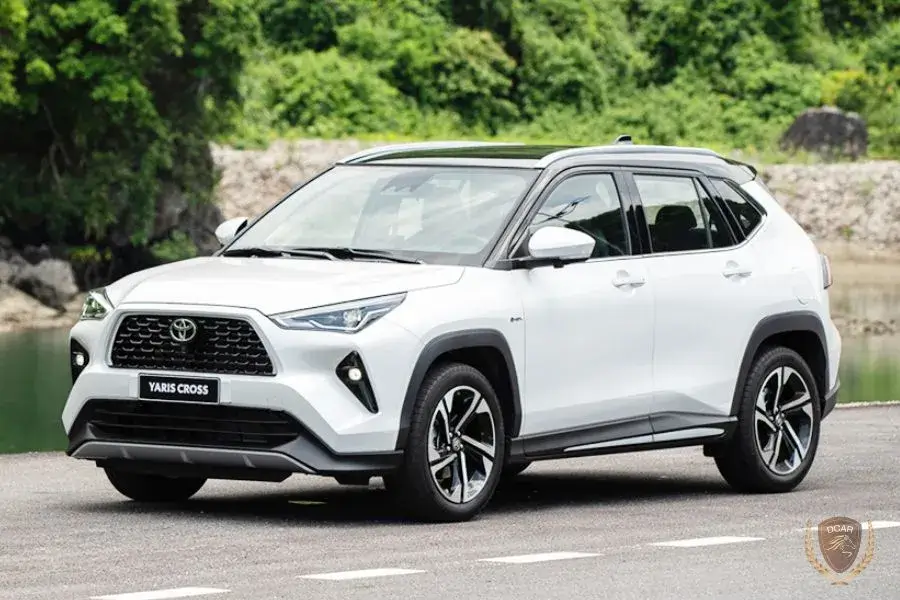
For families traveling with young children, elderly relatives, or travelers carrying specialized gear (like drone cases and heavy camera bags), a Hanoi to Sapa private car is the gold standard.
While it is the most expensive route upfront ($120 to $180 USD one-way depending on whether you book a sedan, a luxury SUV, or a private 9-seater van), the cost becomes incredibly competitive when split among a group of 3 to 5 passengers.

Why a Private Car Wins for Families:
- Tailored Scheduling: If your flight into Noi Bai International Airport is delayed, your driver waits for you right at the arrivals terminal. There is no stress about missing a fixed bus departure.
- Custom Stops: You can stop for a bathroom break, a stretch, or a local meal at any highway rest stop you choose, rather than waiting for the bus’s scheduled stops.
- Luggage Freedom: You do not have to worry about luggage allowances or your bags getting buried under dusty cargo in a bus hold.
If you are planning an extensive journey across the country, it is critical to understand how domestic flights, railways, and private cars interact. For a broader look at domestic transit networks, read our complete guide on flight vs sleeper bus vs private car to map out your long-distance transfers safely.
Option 4: The Overnight Train
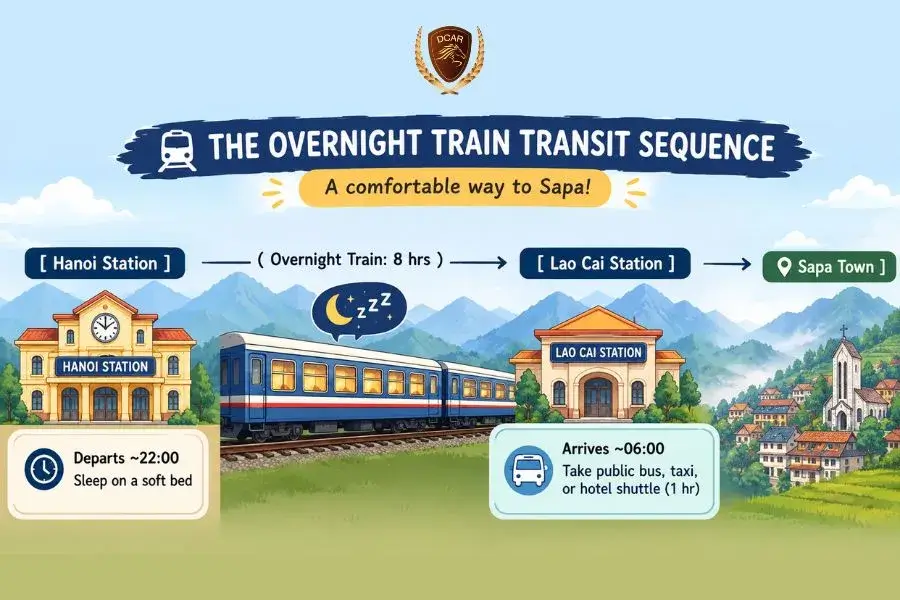
If you have ever wanted to experience the slow, rhythmic charm of rail travel, the overnight train from Hanoi to Lao Cai is an exceptional journey.
It is a favorite for light sleepers who find overnight road vehicles too stressful. Also, it’s a wonderful option for travelers who want to watch the Vietnamese countryside slowly change from dense city blocks to towering, misty karst peaks at sunrise.
As we noted before, the train does not run directly to Sapa town. All trains depart from the historic Hanoi Railway Station (Ga Hà Nội – entrance at 120 Le Duan) and terminate at Lao Cai Railway Station.
State Carriages vs. Private Luxury Cabins
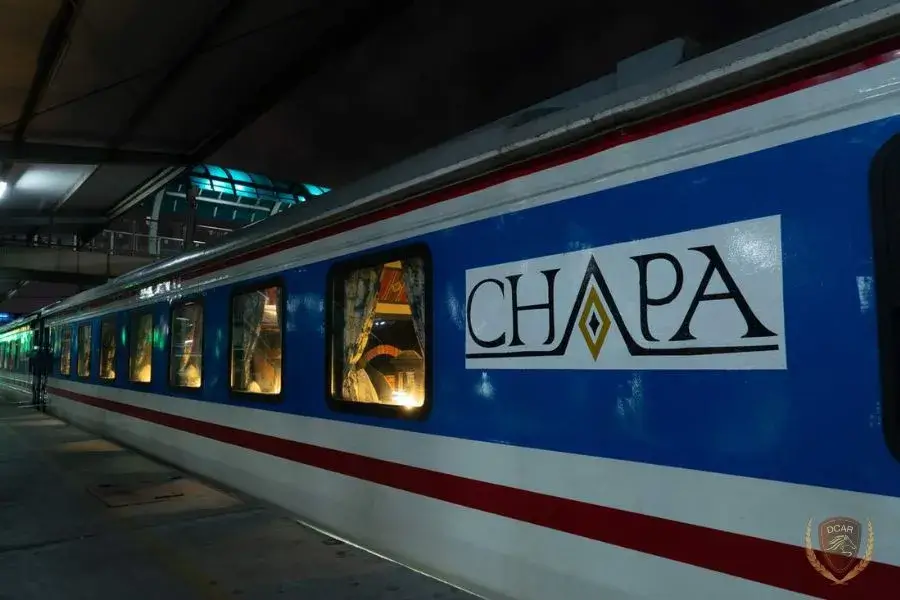
When you search for Sapa train tickets, you will see a massive range of prices. This is because Vietnam Railways operates the actual physical trains (the SP3 and SP7 overnight departures), but they allow private luxury companies to lease and completely renovate individual carriages on those trains.
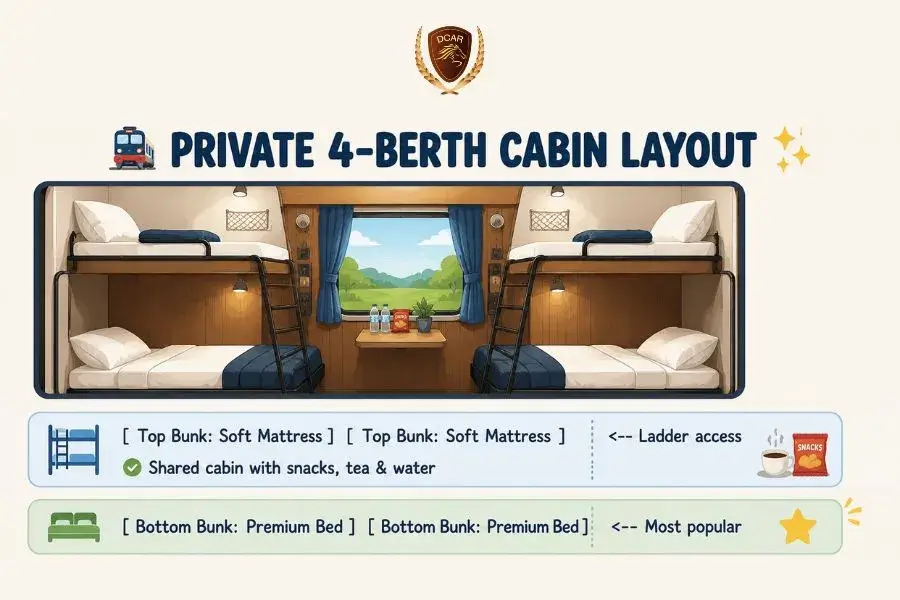
- Standard State-Run Cabins: If you book directly with Vietnam Railways, you will get a basic 4-berth soft sleeper cabin. It is clean, functional, and very affordable (starting at around 511,000 VND / $22 USD). But features basic bedding and shared squat-style toilets.
- Private Luxury Carriages: For a premium experience, brands like Chapa Express ($45 USD/berth), Vic Sapa ($55 USD/berth), and Sapaly Express ($55 USD/berth) lease individual cars on the same train. These carriages feature rich wood-paneled walls, comfortable mattresses, premium linens, reading lights, electrical outlets, bottled water, and high-quality Western-style toilets.
Avoid a Scam During Lao Cai to Sapa Connection
When your train pulls into Lao Cai around 6:00 AM, you will step out of the station into a sea of shouting drivers. Here are your real options to cover the final 35 km climb to Sapa:
- The Public Bus (Red & Yellow Bus #01): Walk out of the station, look to the left of the parking lot, and find the public bus. It departs every 30 minutes, takes about 1 hour and 15 minutes, and costs a flat 30,000 VND ($1.20 USD). It is safe, spacious, and very reliable.
- Shared Tourist Minivans: These transit vans wait right outside the station. Tickets cost around 50,000 to 100,000 VND ($2 to $4 USD). Confirm the price with the driver before your luggage is loaded into the vehicle.
- Pre-Arranged Hotel Transfer: Many top-tier hotels in Sapa (such as the Topas Ecolodge or Hotel de la Coupole) offer their own private shuttle vans for guests. This is the most seamless, worry-free way to transition from rail to mountain road.
Sapa Transit Adjustments by Season
The road conditions and popularity of the Hanoi-to-Sapa route change dramatically depending on the time of year. Adjust your transit choice accordingly:
Spring (February to April): The perfect weather window. Road travel is highly recommended. The mountain pass views are clear, allowing you to enjoy the deep green valleys.
Summer (May to August): This is Vietnam’s rainy season. Heavy tropical downpours can occasionally cause minor rockfalls or landslides along the old mountain roads. While the expressway is safe and the new Mong Sen Bridge bypasses old risk zones, we recommend traveling by daytime limousine so your driver has maximum visibility.
Autumn (September to November): Sapa’s absolute peak season for the golden terraced rice harvests. High-quality limousine vans and luxury train compartments sell out weeks in advance. Book your transport at least 14 to 21 days early.
Winter (December to January): High altitudes bring cold, wet fog, and occasionally light frost or ice on the highest passes. Because visibility on the mountain roads can drop to near-zero at night, we strongly recommend taking the overnight train in winter rather than an overnight sleeper bus.
FAQs
Q: Can I travel directly from Hanoi Airport (Noi Bai) to Sapa?
A: Yes, absolutely! This is highly recommended if you want to bypass downtown Hanoi entirely. Premium operators like G8 Open Tour and private car agencies pick up passengers directly outside the international and domestic arrival terminals before driving onto the Hanoi–Lao Cai Expressway.
Q: Is the sleeper bus safe?
A: Generally, yes. Modern luxury operators on this route use highly experienced drivers who navigate the expressway carefully. To maximize comfort and safety, avoid budget “local commuter” buses and book reputable tourist brands like Sao Viet or G8 Open Tour.
Q: How much luggage can I bring on a limousine van?
A: Limousine vans have very small trunks beneath the rear bench seat. Typically, you are allowed one standard suitcase (up to 20kg) and one small personal bag. If you are a digital nomad or photographer carrying heavy drone cases and extra gear, booking a private car or purchasing two seats on a limousine is highly recommended.
Q: Can you take a train directly from Hanoi to Sapa?
A: No. There is no railway line leading into the mountains of Sapa. The train stops at Lao Cai, and the remaining 35 km must be covered by bus or car.
Which Option Should You Choose?
So which is the best way to travel from Hanoi to Sapa for you? Remember: when planning your journey across northern Vietnam, matching your transportation to your budget, style, and travel schedule is the secret to a stress-free start.
- The Practical Choice (Best Value): Book a 9-seater DCar Limousine Van. It is direct, highly comfortable, fast, and drop-offs are right at your hotel in Sapa town.
- The Nostalgic Choice (Best Experience): Book a private wood-paneled cabin on an overnight train (like Chapa or Vic Sapa). It is incredibly peaceful, saves a night’s hotel cost, and offers a unique view of rural Vietnam at dawn.
- The Group Choice (Best Comfort): Rent a Private SUV or Van. You get complete control over departure times, rest breaks, photo stops along the scenic mountain route, and unlimited space for your luggage.
No matter which path you choose to climb into the mist-shrouded peaks of Hoang Lien Son, Vietnam Limousine wishes you an unforgettable adventure through the terraced valleys and vibrant ethnic culture of Sapa. Safe travels, and enjoy the climb!